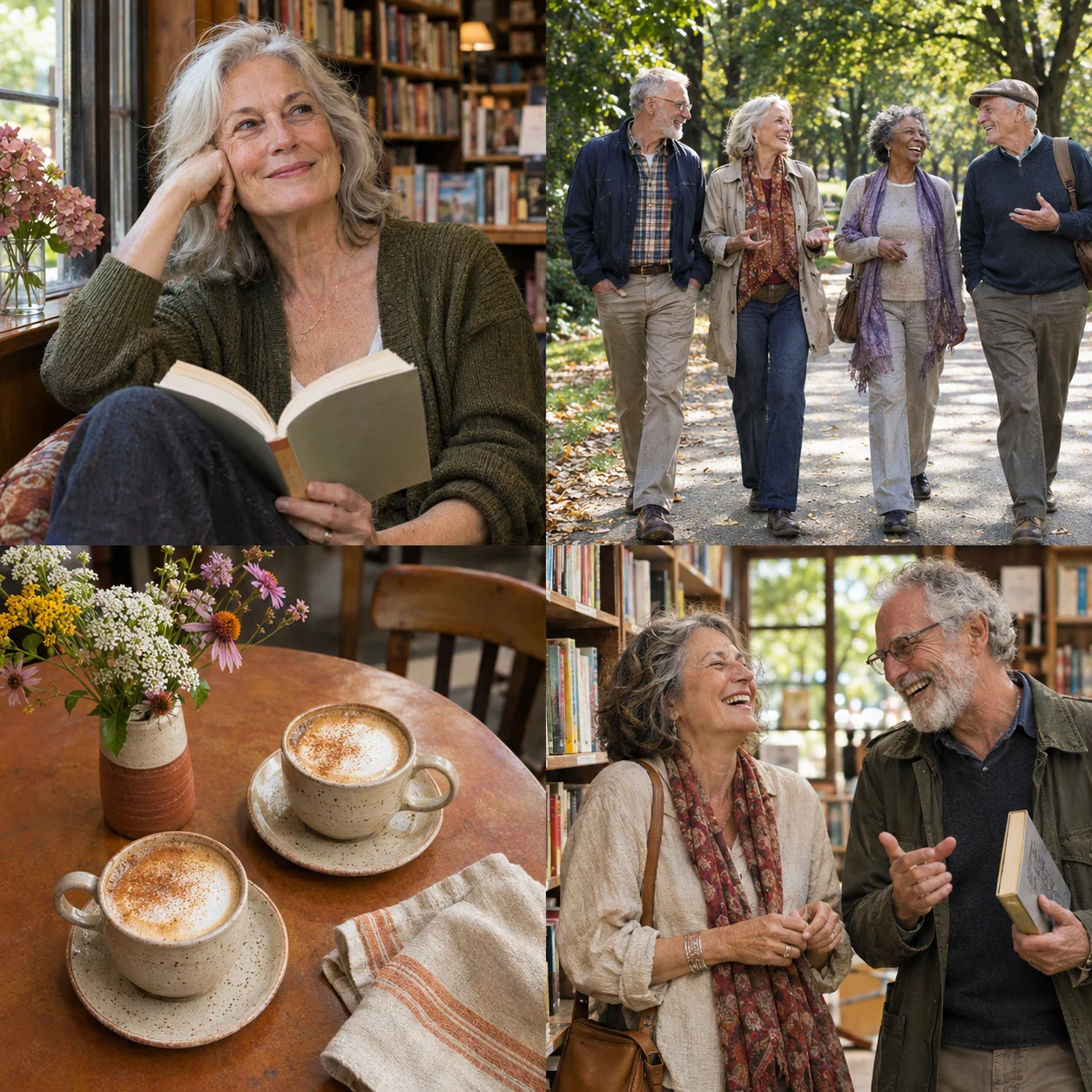
The most thoughtful plan is one both people can enjoy. A beautiful venue can still be difficult if the entrance has steps, the room is too loud for conversation, or the only seats are high stools. Ask about preferences before booking instead of making assumptions based on age or appearance. You can discuss practical needs without asking someone to explain a diagnosis or disclose more personal information than they want to share.
Begin with an open question
Try, “What would make the place comfortable for you?” You might offer a few options: somewhere quiet, an easy entrance, outdoor seating, or a shorter meeting. State your own preferences too, so planning feels shared rather than like an inspection of the other person’s needs.
Avoid treating an accommodation as a favor that needs gratitude. It is simply part of choosing a place where both people can participate comfortably.
Check the whole visit, not just the front door
If access matters to either of you, contact the venue directly. Ask about the route from arrival to the table, any steps, restroom access, and whether the seating you need can be reserved. A photograph or a short directory label may not answer the specific question.
Be concrete when asking. “Is there a step-free route from the street to the dining area and restroom?” is more useful than “Is your place accessible?” Confirm the details relevant to the person attending.
Give conversation a comfortable setting
Ask about music, busy periods, and quieter tables. A small café at its busiest hour may be less comfortable than a larger one at a calmer time. Lighting, glare, seating distance, and room layout can also affect how easy it feels to talk.
If the setting turns out to be difficult, say so and adjust together. Moving to another table or choosing a different venue is a practical change, not a failure of the date.
Make timing and movement flexible
Agree on a meeting length that fits both schedules and energy levels. If the plan involves walking, discuss distance, pace, terrain, and places to sit. Offer an alternative that is equally enjoyable, rather than presenting sitting down as the disappointing backup.
Include the journey in the plan. Check where each person will arrive and choose a clear meeting point. Avoid building the date around a transport arrangement that leaves one person dependent on the other to leave.
Keep the first meeting public
RAINN recommends populated public settings, sharing the plan with someone trusted, and arranging independent transportation. These precautions can reduce risk but cannot guarantee safety. A quiet corner in an open café is different from an isolated location.
For outdoor plans, have a public indoor alternative and check the forecast. If the original choice no longer works, agree on the change before either person travels. You can always reschedule rather than forcing an uncomfortable plan.
Save a plan that is useful, not exhaustive
Record the venue, time, meeting point, expected length, and any details you need to confirm. Keep private health information out of a shared calendar description. The purpose is to make the meeting easier, not to document someone else’s personal circumstances.
- Can both people enter, sit, and use the facilities comfortably?
- Can you hear and see each other well enough to talk?
- Is the cost clear and acceptable to both people?
- Can either person arrive and leave independently?
- Is there a simple alternative if the weather or venue changes?
Sources & further reading
External sources support the safety guidance. Activity ideas and conversation examples are editorial suggestions.